Custom-Labeled Optical Transceivers: What Project Buyers Should Specify
Specify custom-labeled optical transceivers by separating visible labels, electronic identity, serialization, packaging, traceability and compatibility evidence.
A custom label can improve project identification, stock control and field traceability. It does not change the optical specification or electronic coding by itself. Buyers should define the visible label, EEPROM identity, serial record, packaging and compatibility evidence as separate deliverables.
The safest request is a controlled label-and-traceability specification attached to the optics BOM—not a message that says only “put our logo on the modules.”
What to Specify on Every Order
State these fields on every order, so the label, coding and optics are checked against the same specification.
| Field | State on the order |
|---|---|
| Host platform and model | State the host vendor, device model, line card or NIC. |
| Form factor | State the form factor for each BOM line. |
| Data rate | State the rate for each BOM line. |
| Wavelength | State the exact wavelength, or the BiDi pair-side identifier. |
| Reach | State the reach class for the link. |
| Connector | State the connector and optical interface. |
| Fiber type | State the fiber type for the link. |
| Coding / compatibility profile | State the coding profile and OEM part-number reference. |
| Label / branding | State the approved artwork and public part number. |
| DDM | State whether diagnostic (DDM) fields are required. |
| Temperature range | State the temperature range the deployment requires. |
| Packaging | State individual, pair and carton packaging. |
01Decide Why the Label Is Needed
Start with the operational outcome. Different purposes require different information.
| Purpose | Useful label content |
|---|---|
| Field identification | Project part number, rate, reach, wavelength and connector |
| Warehouse control | SKU, serial number, barcode or QR reference and lot identifier |
| Customer resale | Approved brand artwork, product identity and packaging reference |
| Mixed-vendor deployment | Host-profile code or internal compatibility reference |
| Spare management | Pair identifier for BiDi or channel identifier for CWDM/DWDM |
Avoid crowding a small module label with text that cannot be read or verified. Decide which data belongs on the module, the individual package and the master carton.
02Separate Four Identities
Custom optics projects often fail when several different identities are treated as one.
Visible module label
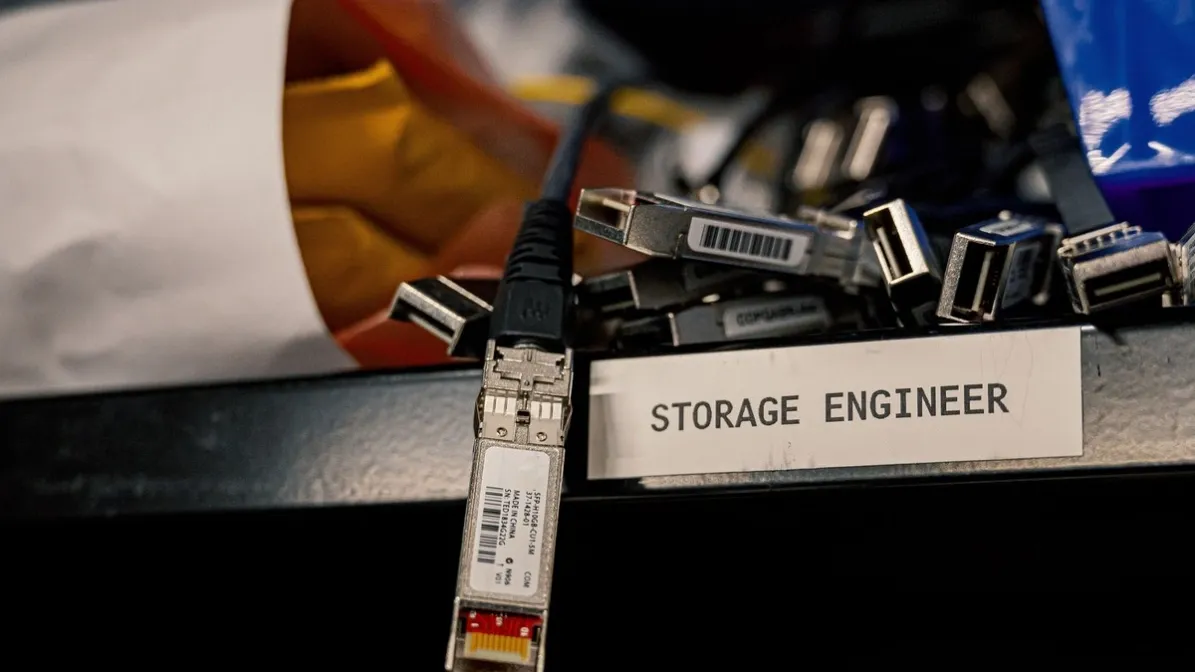
This is the printed information a technician sees. It may include the buyer’s approved logo, project part number and machine-readable data. The text should stay readable on the smallest module.
Electronic module identity
The host reads identity and diagnostic fields from the module memory. This information is part of the coding and compatibility profile. A new sticker does not rewrite it.
BOM identity
The purchase record connects the approved product specification, host profile, quantity and commercial terms. It is the reference the supplier uses to build and code each module.
Traceability record
This links serial or lot information to production, inspection, coding, packing and shipment records. It supports traceability after delivery even when labels are changed or repackaged.
Keep these identities connected but not interchangeable. If a host expects one electronic identity while the package and BOM show another product variant, the label project has created risk instead of clarity.
03The Minimum Label Specification
| Field | Buyer decision |
|---|---|
| Artwork | Approved logo file, color and minimum readable size |
| Public part number | Exact buyer or Axonode reference to print |
| Product descriptor | Rate, form factor, reach class and interface as space allows |
| Wavelength | Exact wavelength or BiDi pair-side identifier |
| Serial format | Length, prefix, uniqueness rule and human-readable requirement |
| Machine-readable code | Barcode or QR data content and symbology if required |
| Compliance marks | Use only marks legitimately applicable to the exact product |
| Placement | Module body, pull tab, package label and carton label |
| Revision control | Artwork version, approval date and change owner |
Do not request certification logos merely because they appeared on a reference label. Marks and claims must be supported for the exact product and responsible entity.
04Define Electronic Coding Separately
For each BOM line, record the host vendor, device model, line card or NIC, software version and original OEM reference. Specify whether the requirement is host recognition, a particular read-back identity, DOM/DDM access or another supported behavior.
Coding support is not a guarantee of complete compatibility. The optical interface, wavelength, fiber, connector, reach, FEC and port mode still need review. The MikroTik and Cisco behavior guide shows why host behavior should be documented rather than inferred from the printed brand.
05Control BiDi and WDM Labels Carefully
BiDi and fixed-wavelength WDM modules create variant risk because units can look physically identical while carrying different wavelengths. Prevent pair-side errors by including the wavelength or channel identity directly on the label.
For single-fiber BiDi transceivers, show or encode the exact transmit and receive wavelengths and the intended pair side. At packing, verify that each deployment set contains complementary endpoints. For CWDM or DWDM, make the channel visible and keep the package and carton counts aligned with the wavelength BOM.
Use color only as a secondary cue. The text and controlled part number remain the authoritative field identification.
06Approve a Physical Sample Before Volume Production
Artwork that looks clear on a screen may fail on the module. Review a physical or high-resolution production sample for:
- ✓Text size and contrast
- ✓Adhesion and placement
- ✓Obstruction of ventilation, latch or regulatory information
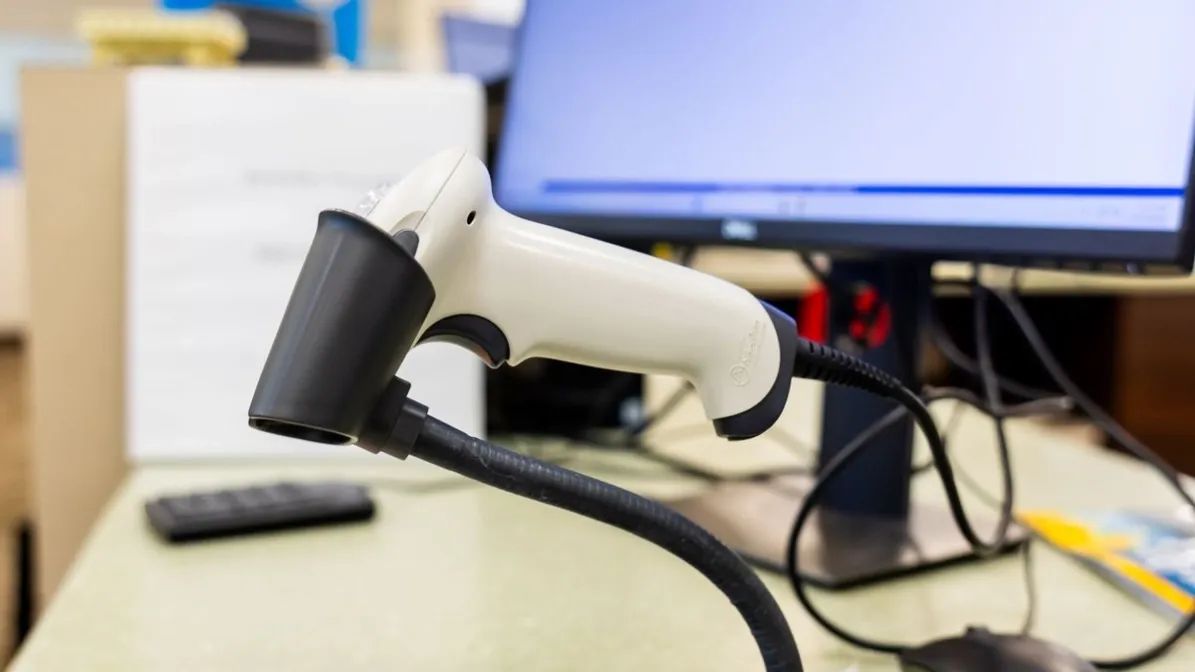
- ✓Barcode readability with the buyer’s scanner
- ✓Correct mapping between label, EEPROM identity and package
- ✓BiDi pair-side or WDM channel accuracy
- ✓Serial uniqueness and export format
This approval covers presentation and traceability. It does not replace a compatibility or optical validation plan. Use Axonode’s sample-testing support when the project also requires platform or link evidence.
07Add Packaging and Data Deliverables
Specify how individual units, paired units and master cartons should be packed. For project acceptance, request an agreed data file containing only the fields the supplier can reliably maintain, such as buyer part number, product variant, serial number, lot and quantity.
| Deliverable | Acceptance check |
|---|---|
| Module label | Matches approved artwork and optical variant |
| Individual package | Part number, serial and wavelength match the enclosed unit |
| Pair packaging | Complementary BiDi endpoints are clearly identified |
| Carton label | Quantity and variant totals match the packing list |
| Serial file | No duplicates; format opens and maps to shipped lines |
For mixed BOMs, Axonode’s sourcing support can coordinate the labeling record with the compatibility and product-identity matrix.
08Plan Change Control and Reorders
Freeze the approved artwork, product specification, coding profile and serial rule under a revision number. On a reorder, reference that revision and list every intentional change. Do not rely on a photograph from the previous shipment as the only specification.
Changes to the host platform, optical variant or customer part number should trigger a new line review even when the exterior module and logo remain unchanged.
Pre-Order Verification Checklist
Confirm each item before placing a volume order.
- ✓Host platform and model confirmed
- ✓Port, line card or NIC confirmed
- ✓Software / firmware version confirmed
- ✓OEM part-number reference confirmed
- ✓Fiber type, connector and reach confirmed
- ✓Sample tested on the real host and the result recorded
09Frequently Asked Questions
Does a custom label change the transceiver coding?
No. The visible label and the electronic identity are separate. Coding must be specified, programmed and verified independently.
Can our logo be printed on every optic?
It may be possible, but artwork, minimum order, label area and legal use of marks need confirmation. The optical product identity and traceability must remain clear.
What should appear on a BiDi module label?
Include the exact product reference and transmit/receive wavelengths or an unambiguous pair-side identifier. The two endpoints must use complementary wavelengths.
Is a serial number required?
It is strongly useful when the project needs individual traceability, warranty handling or controlled spare management. Define the serial format and data-delivery requirement before production.
Does custom packaging prove product quality?
No. Packaging and labels support identification and handling. Product knowledge, inspection, coding and the required validation evidence remain separate controls.
10Turn the Branding Request Into a Controlled Specification
Share the optics BOM, host profiles, approved artwork, public part-number rules, serial format, machine-readable data, packaging levels, quantity and schedule. Axonode can help connect the label specification to product identity, coding, traceability and sample approval before volume production.
Send your platform, distance and quantity to check options