Single-Fiber BiDi Solutions
Use one fiber strand without guessing the A/B pair. Axonode helps network teams review BiDi transceivers, wavelength direction, reach, coding, and sample options before ordering for fiber-constrained links.
Single-Fiber BiDi Solutions
Use one fiber strand without guessing the A/B pair.
Axonode helps network teams review BiDi transceivers, wavelength direction, reach, host coding, and sample options before ordering for fiber-constrained links.
Typical response time: within one business day. No purchase is required for a technical review.
BiDi projects start with a fiber problem, not a part number
Before selecting a BiDi transceiver, clarify the route condition, available fiber, host device, and target speed.
Only One Fiber Strand
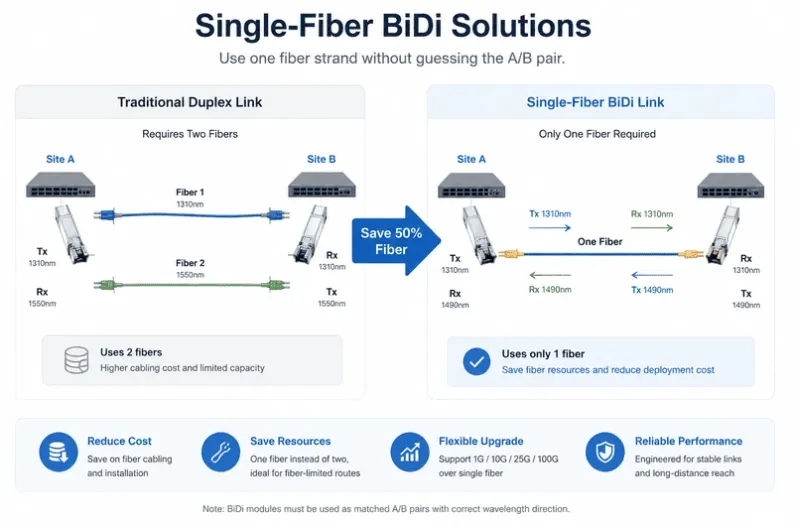
BiDi allows transmit and receive signals over a single fiber strand using matched A/B wavelengths.
Remote or Hard-to-Re-Pull Route
Useful when adding new fiber is expensive, slow, or risky for service continuity.
Mixed Host Environment
Cisco, Juniper, MikroTik, Huawei, HPE, and other platforms may require different coding review.
What we review before recommending BiDi optics
| Review Item | Why It Matters |
|---|---|
| Endpoint devices | Switch, router, radio, or NIC model affects coding and compatibility. |
| Fiber condition | Fiber count, connector type, distance, and patching affect the suitable reach. |
| A/B wavelength direction | Matched BiDi pairs must use opposite transmit and receive wavelengths. |
| OEM coding | Different platforms may require different coding behavior even with the same optical standard. |
| Sample validation | Useful before larger rollout, especially for new hosts or mixed-vendor networks. |
Common BiDi product paths we can review
These are starting points, not automatic recommendations. Final selection depends on both ends of the link.
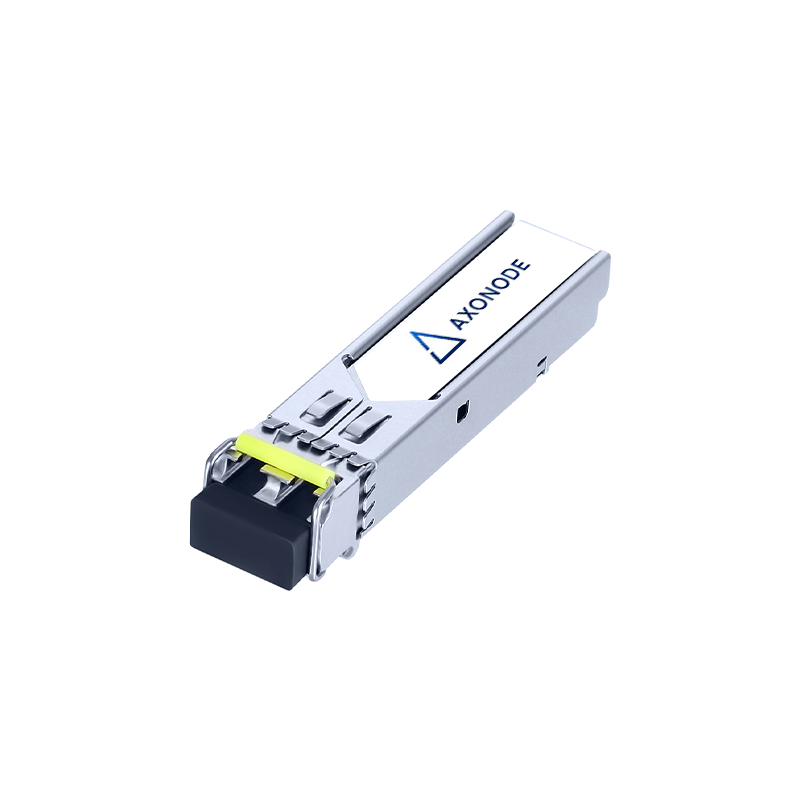
1G BiDi SFP
For legacy access links, utility networks, remote devices, and basic single-fiber extension.
Request Review →10G BiDi SFP+
Common for ISP backhaul, aggregation uplinks, and fiber-limited upgrade paths.
Request Review →25G BiDi SFP28
Useful when access or aggregation platforms are moving beyond 10G but fiber remains limited.
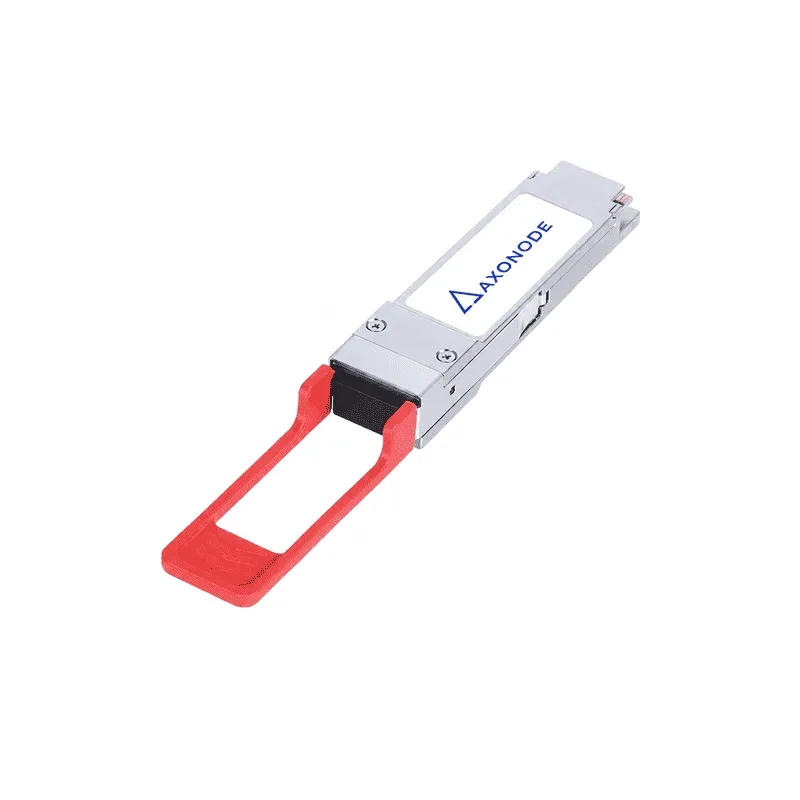
Request Review →100G BiDi QSFP28
For high-capacity single-fiber routes where reach, pair direction, and host support must be reviewed carefully.
Request Review →Choose by route condition, not only by module name
| Route Condition | Likely BiDi Path | What to Verify | Good First Action |
|---|---|---|---|
| Only one fiber strand between sites | Matched A/B BiDi pair | Tx/Rx wavelength direction, connector, reach, and host model | Send both endpoint models and distance |
| Replacing OEM-coded modules | Compatible coded BiDi optics | Switch brand, port speed, firmware notes, OEM part number | Ask for coding review before order release |
| Longer outdoor or remote link | Extended or industrial temperature options | Distance, fiber quality, enclosure, operating temperature | Start with sample-first validation |
| Mixed speed or staged upgrade | Review 10G / 25G / 100G options | Target speed, migration plan, existing optics, spare policy | Send current and target BOM together |
Make the pair choice visible before ordering
1. Map the Endpoints
Confirm host model, port speed, connector, and whether both ends use the same platform.
2. Match A/B Logic
Review wavelength direction and whether the pair should be ordered as a matched set.
3. Check Reach and Environment
Compare distance, fiber type, temperature, and link margin needs.
4. Start Small When Needed
Use samples or a limited batch validation before a larger route or rollout.
Need help choosing the right BiDi optics?
Tell us your switch model, link distance, available fiber count, connector type, or OEM part number. We'll review your deployment requirements and recommend a practical BiDi solution before ordering.
Request BiDi Review →Typical response time: within one business day.