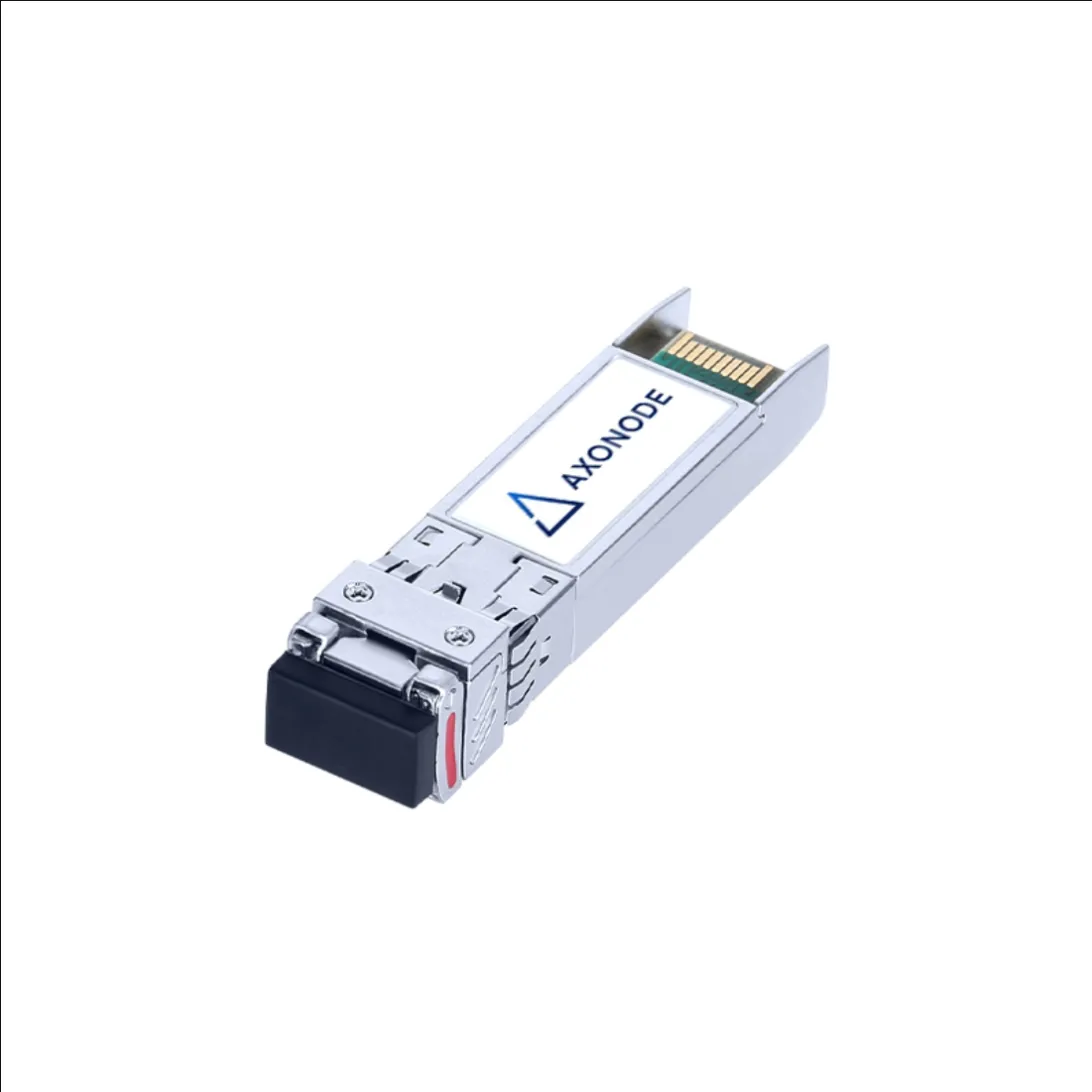
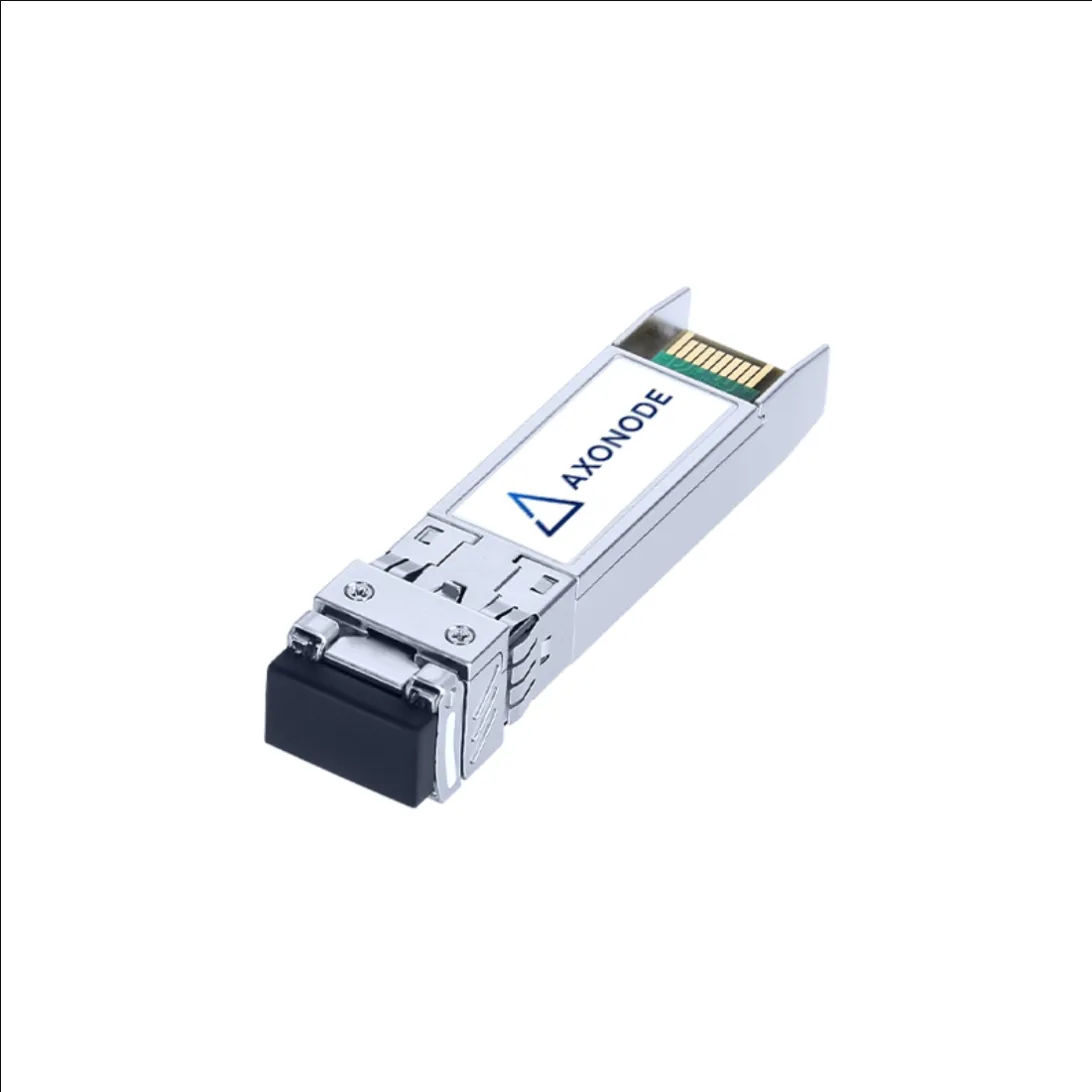
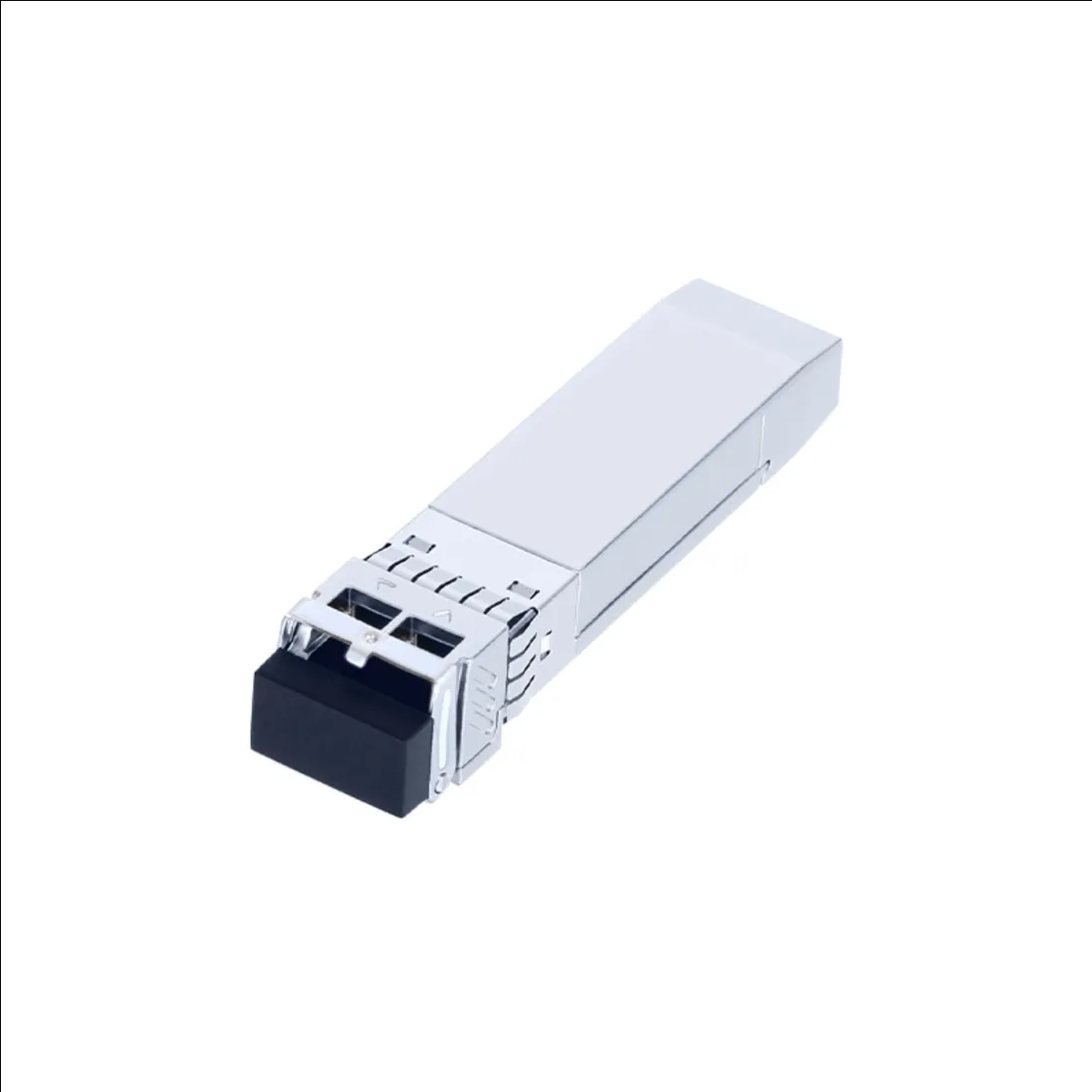
10G DWDM SFP+ ITU C61 80km Optical Transceiver
Commercial-temperature 10G DWDM SFP+ for ITU channel C61 (1528.77nm), duplex-LC single-mode links up to 80km, with cooled EML/APD optics and DDM/DOM.
Specifications
- Warranty
- 3-Years
- Customization
- Free OEM labeling
- Delivery Time
- 48 hours dispatch
LONG-REACH FIXED DWDM CHANNEL
ITU C61 at 1528.77nm · Up to 80km · Duplex LC
Cooled EML and APD optics for a commercial-temperature 10G DWDM path. The 80km label does not replace route-loss, receiver-overload and dispersion planning.
Best fit
Longer metro, aggregation and dark-fiber DWDM links where C61 is assigned at both dual-fiber endpoints.
Highest-risk checks
Full passive-path loss, received-power range, chromatic-dispersion conditions, host coding and commercial temperature.
Optical limits from the verified source
| Parameter | Verified value |
|---|---|
| Product type | 10G DWDM SFP+ optical transceiver |
| Channel / wavelength | ITU C61 / 1528.77nm, 100GHz grid |
| Data rate | 10.3Gbps nominal |
| Maximum reach | Up to 80km over single-mode fiber; engineered path required |
| Optical interface | Duplex LC |
| Transmitter / receiver | Cooled EML / APD |
| Average transmit power | 0 to +4dBm |
| Receiver sensitivity | Maximum -23dBm |
| Receiver overload | Minimum -7dBm |
| Calculated source-limit budget | 23dB before mux/demux, fiber, connector, splice and engineering margins |
| Digital diagnostics | DDM/DOM supported |
| Power / maximum current | 3.3V / 600mA |
| Operating case temperature | 0 to +70°C commercial variant |
The 23dB budget is calculated from the documented minimum transmit power and receiver sensitivity. It does not include a field margin or prove an 80km route.
Long-reach path review
C61 at both endpoints, correct mux/demux ports, common-port direction and duplex polarity.
Include transmit-power range, receiver sensitivity and overload, passive loss, fiber attenuation, repairs and engineering margin.
Confirm fiber type, actual route length and loss, connector quality, dispersion conditions and any active optical equipment in the path.
Check coding, software, port mode, DDM visibility, alarms and link stability at both endpoints.
Frequently asked questions
What fixed wavelength is C61?
C61 is 1528.77nm on the documented 100GHz grid. Verify the channel number and center wavelength together in the approved BOM before ordering.
How is the 23dB budget calculated?
It is the difference between 0dBm minimum transmit power and -23dBm receiver sensitivity. Every route loss and engineering allowance must still be subtracted.
Can the 80km label be used without a route calculation?
No. Actual fiber loss, mux/demux insertion loss, splices, connectors, repairs, dispersion conditions and margin determine whether the path is workable.
Why does the APD overload limit matter?
The receiver overload limit is -7dBm. A short or unusually low-loss path can deliver too much power, so estimate and measure receive power before choosing attenuation.
Is an attenuator always required?
No. Select attenuation from the full transmit-power range, passive loss and measured receive power. Preserve margin above -23dBm while staying below the -7dBm overload limit.
Does SFP+ form factor prove compatibility?
No. Confirm each host model, software release, coding policy, port mode and DDM behavior. Optical specifications and host acceptance must both pass.
Does this variant support digital diagnostics?
Yes. DDM/DOM is supported by the product source. The exact values visible in the device remain dependent on host software and coding.
Is this the industrial-temperature model?
No. This page covers the 0 to +70°C commercial variant. The -40 to +85°C industrial version is a separate ordering variant and needs its own confirmation.
What evidence should be captured during a sample test?
Record recognition, configured mode, both-end transmit and receive power, DDM values, alarms, error counters and link stability on the intended C61 path.
Engineer the C61 80km power window
Send both host models and software, C61 channel plan, passive-filter losses, actual route length and measured loss, fiber and connector details, any amplifier or attenuator, temperature, quantity and schedule.
Request an 80km path reviewFinal specifications follow the approved quotation and product datasheet.